Spat
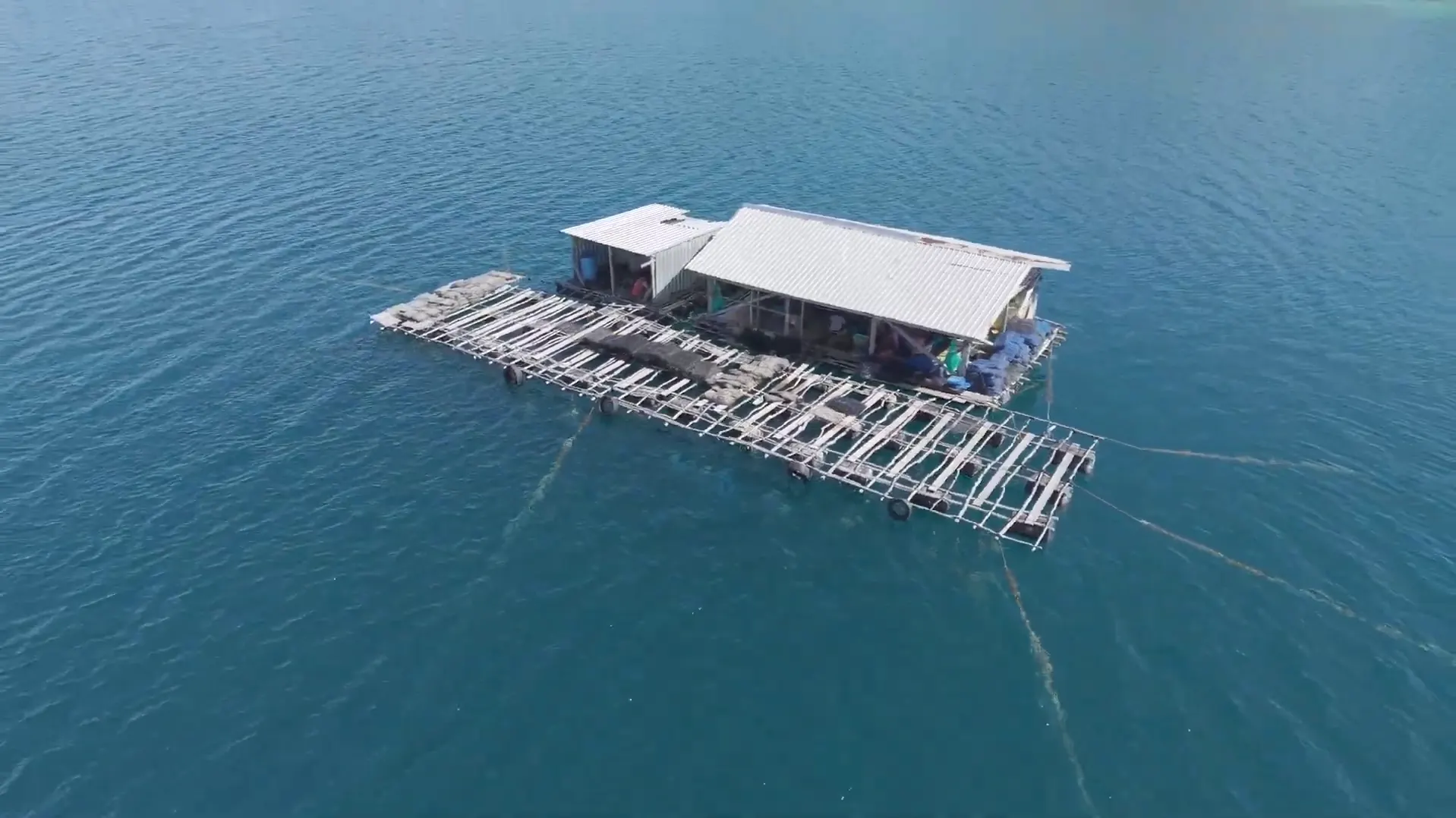
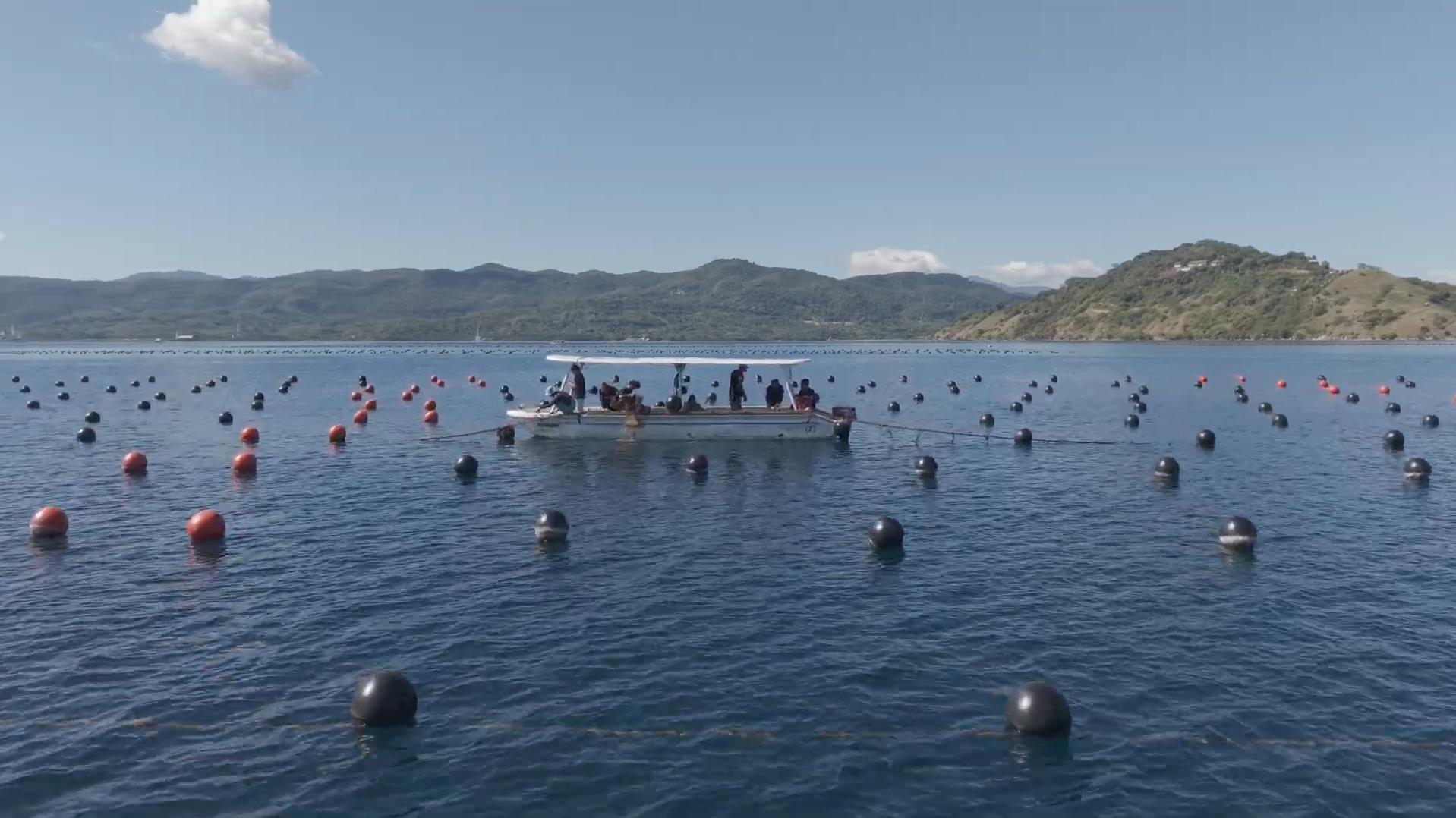
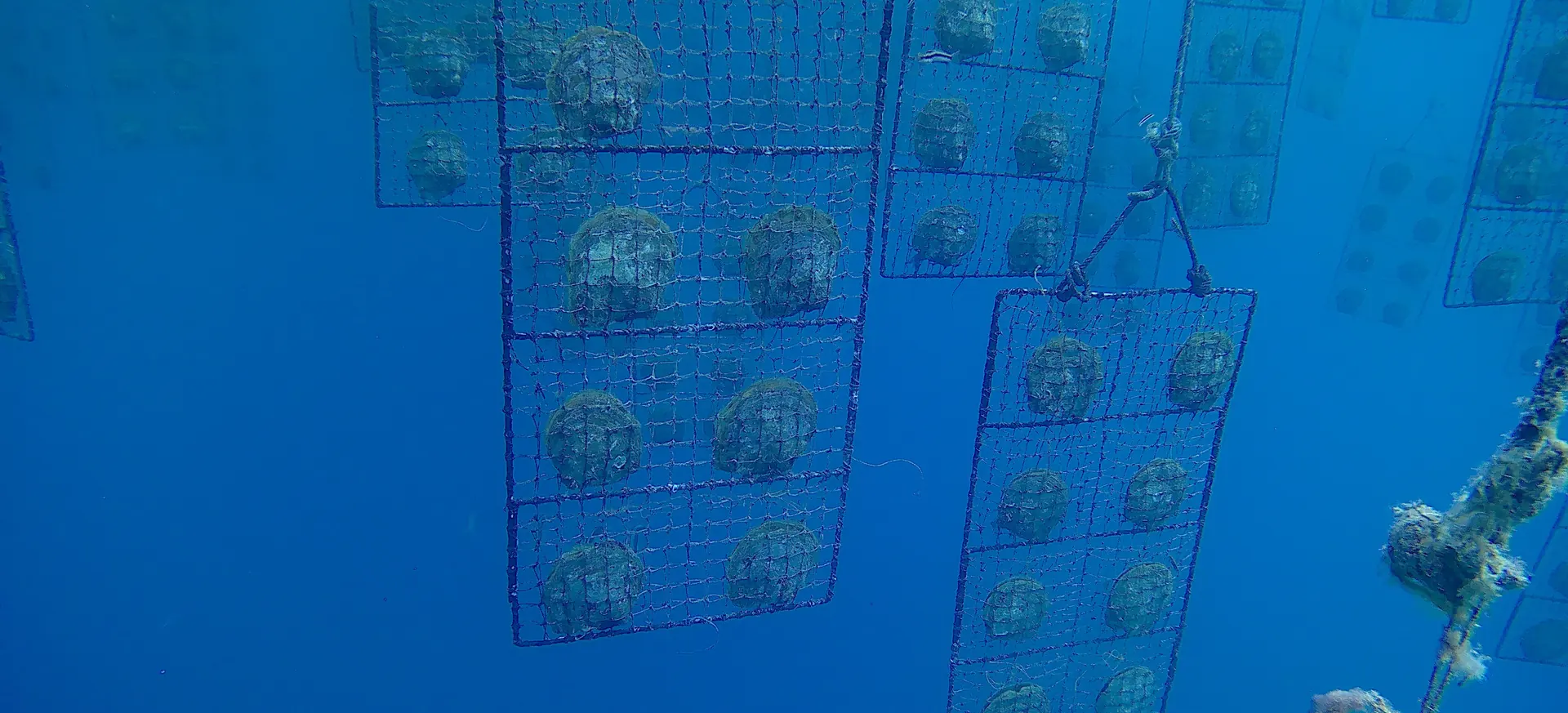
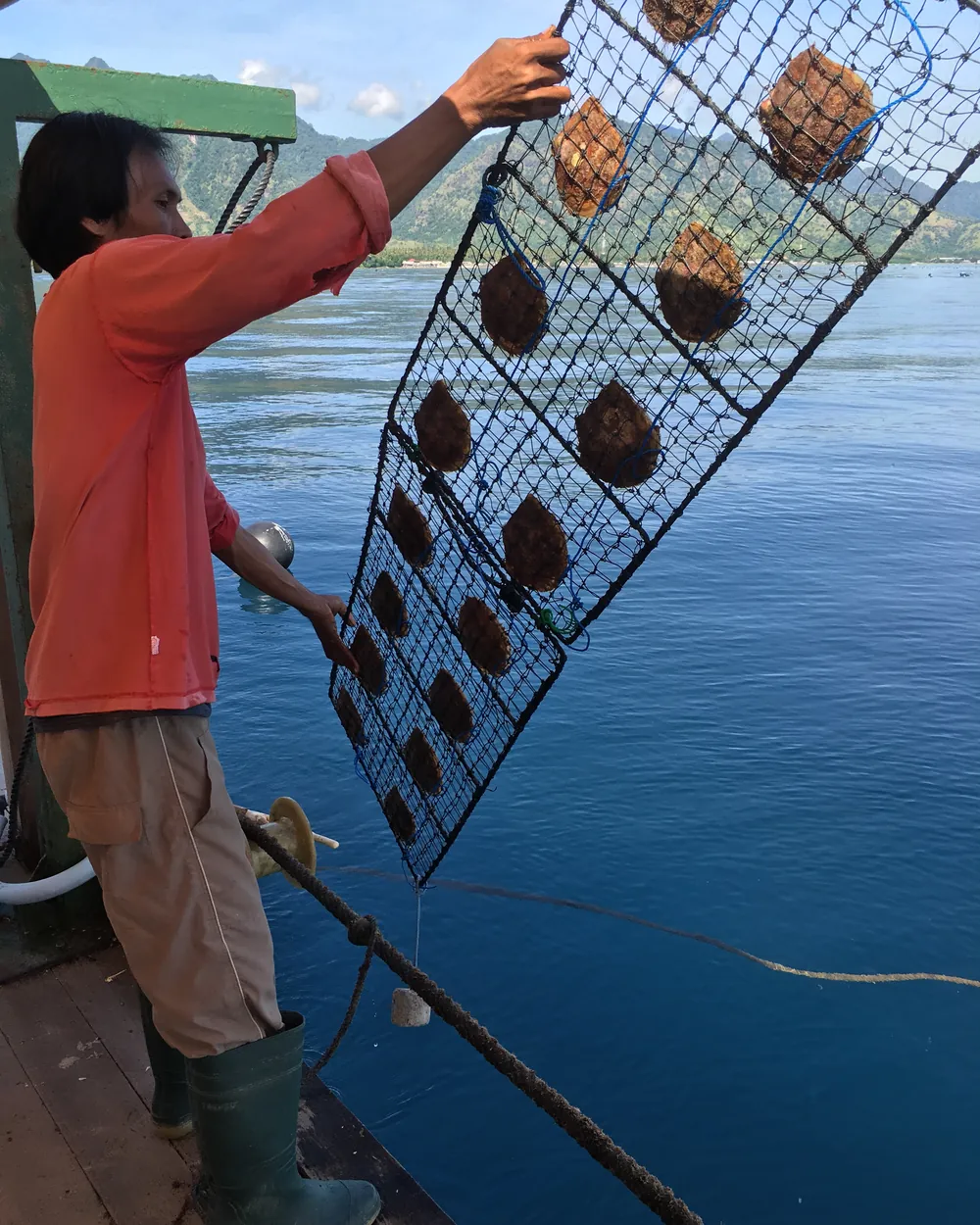
Spat is collected from the wild or raised in a hatchery. The availability of good broodstock decides everything from this point on.
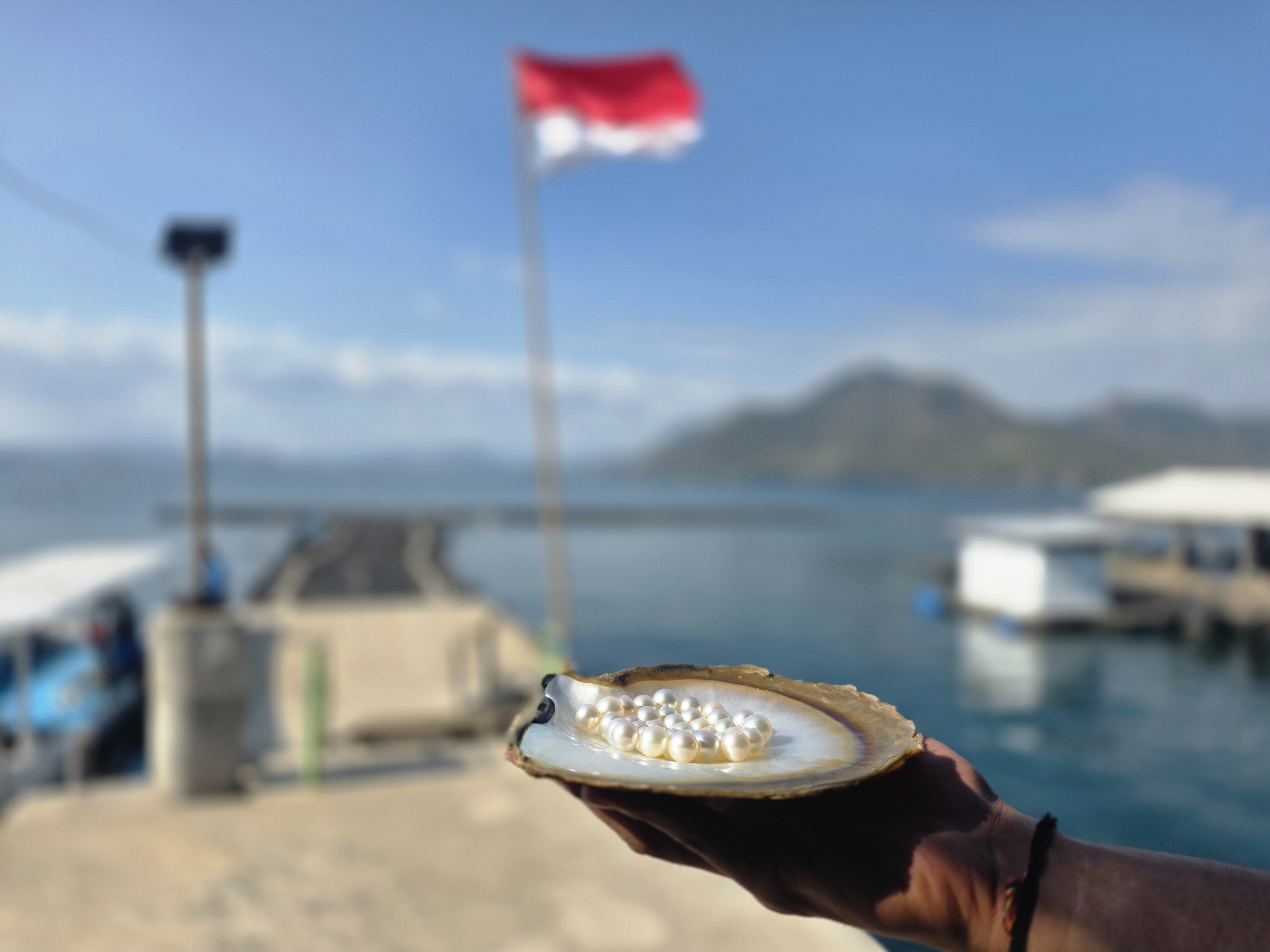
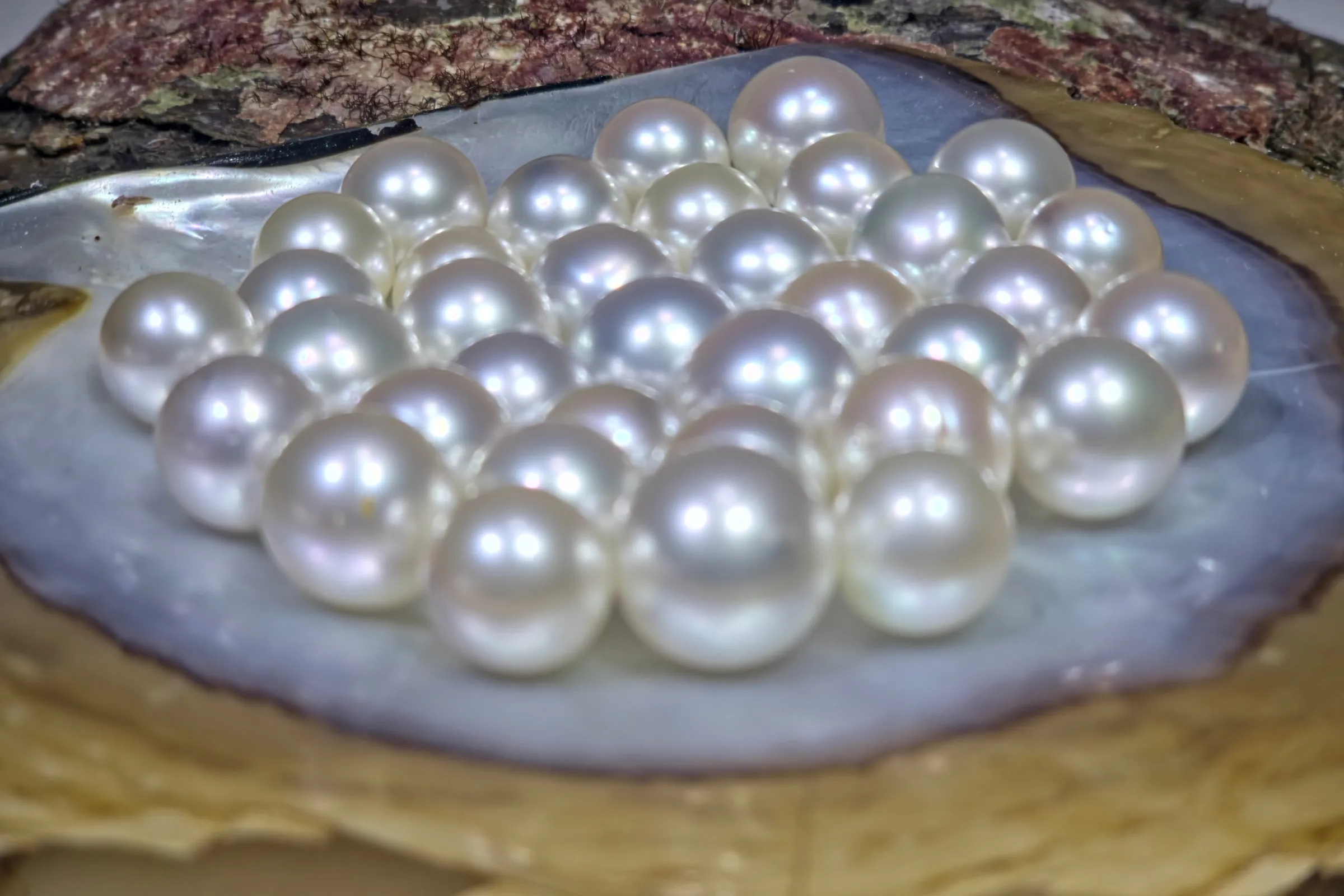
Indonesia’s seas produce pearls whose beauty and value are known around the world. Through education and information, ASBUMI supports the growth of Indonesia’s pearl industry and invites care for the ocean in which pearls grow.
Of the world’s South Sea Pearl supply
Bengen et al., Mutiara Laut Selatan Penghela Ekonomi Biru Kepulauan Nusantara
Million USD pearl exports, 2025
Statistics Indonesia (BPS)
Provinces with pearl farms
ASBUMI distribution map, 2023
Active member companies
ASBUMI member list, October 2026
Each figure carries its own source beneath it.
Both are bivalves, both filter their food from seawater. What separates them is not only the animal but what is harvested, how long the wait is, and how the result is judged.
Pinctada maxima
Green mussel, blood cockle, table oyster
Stages and sizes from ASBUMI's Proses Budidaya Mutiara material.
What they share matters most to the sea: both live on what the water carries, so both demand clean water. The difference is that a failure in an edible crop shows within a season, while a failure in pearls only becomes visible years later.
ASBUMI (the Indonesian Pearl Cultivation Association) is the home for pearl-farming businesses across Indonesia, focused on developing and preserving the South Sea Pearl.
The association was founded to advance the national pearl market. Working alongside government, industry players, and pearl advocates at home and abroad, it carries a vision to protect the sea and strengthen Indonesia’s pearl trade.
The three things this site is about: how pearls are farmed, what makes them valuable, and the sea all of it depends on.
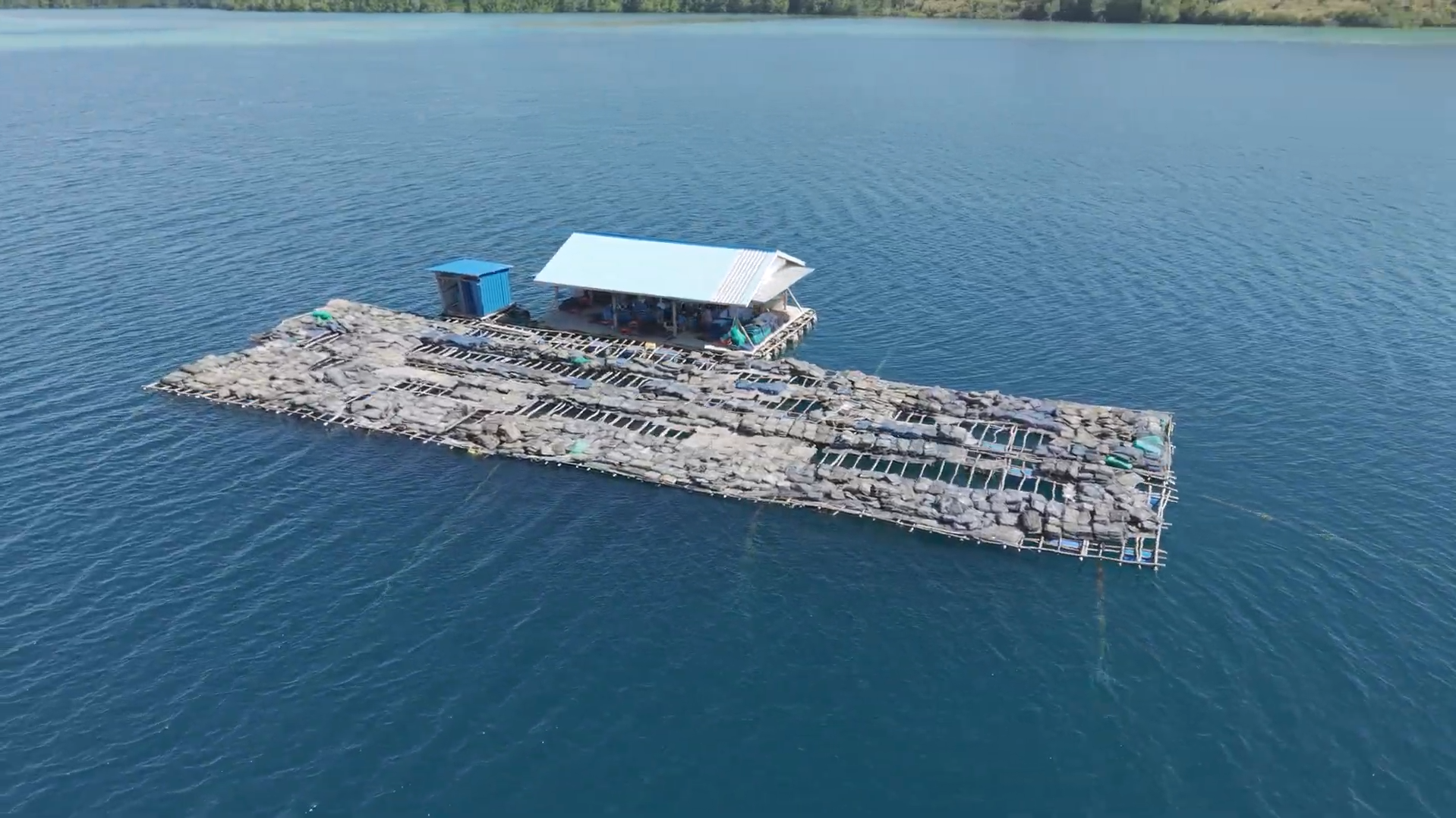
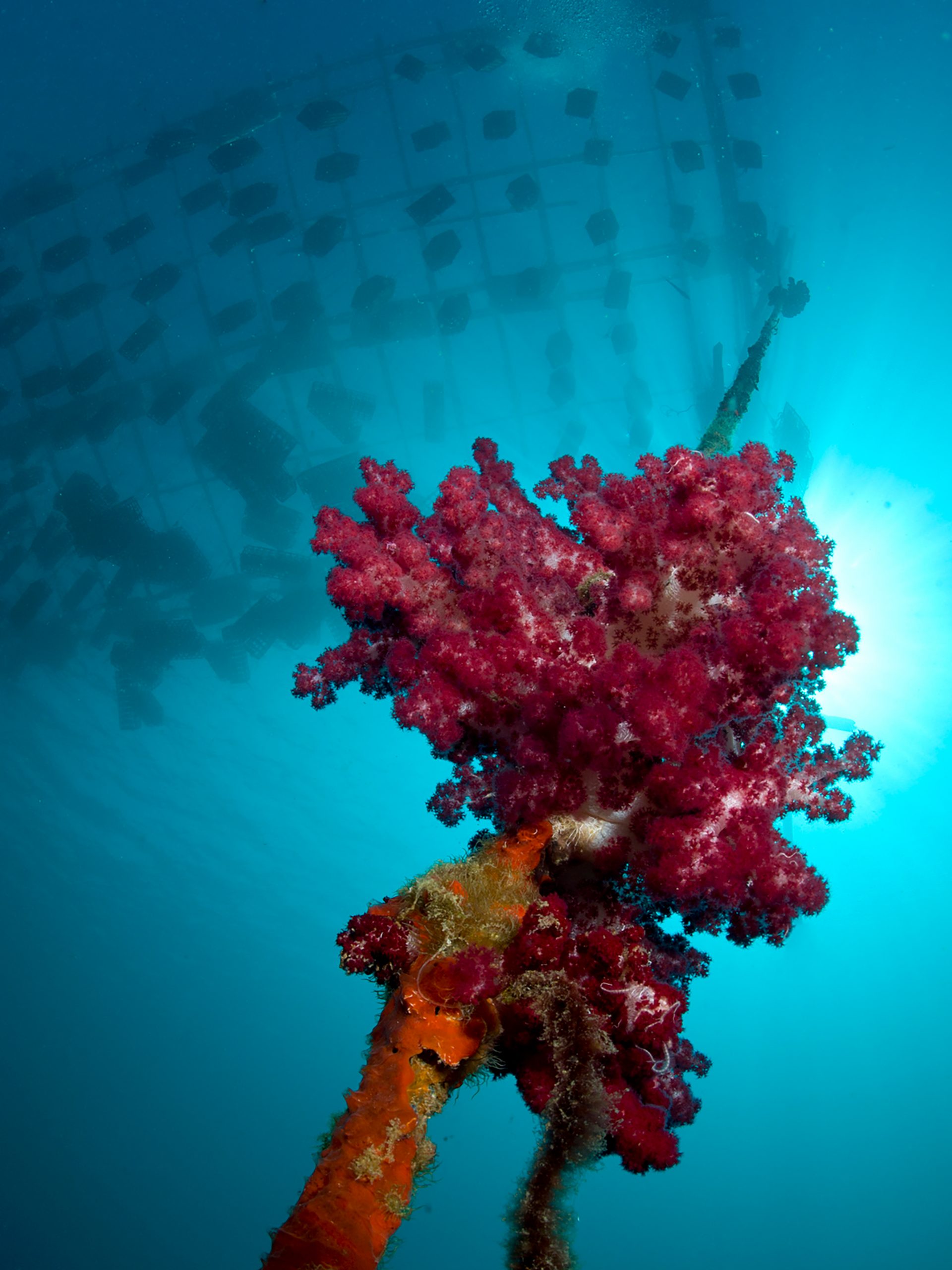
From choosing the seed to the harvest, farming a pearl takes about four years. The oysters are tended at sea one by one, and every stage has someone looking after it.
Scroll to follow the stages
Developing the national pearl sector rests on four stakeholders. What follows is each one's role, not a promise ASBUMI makes on their behalf.
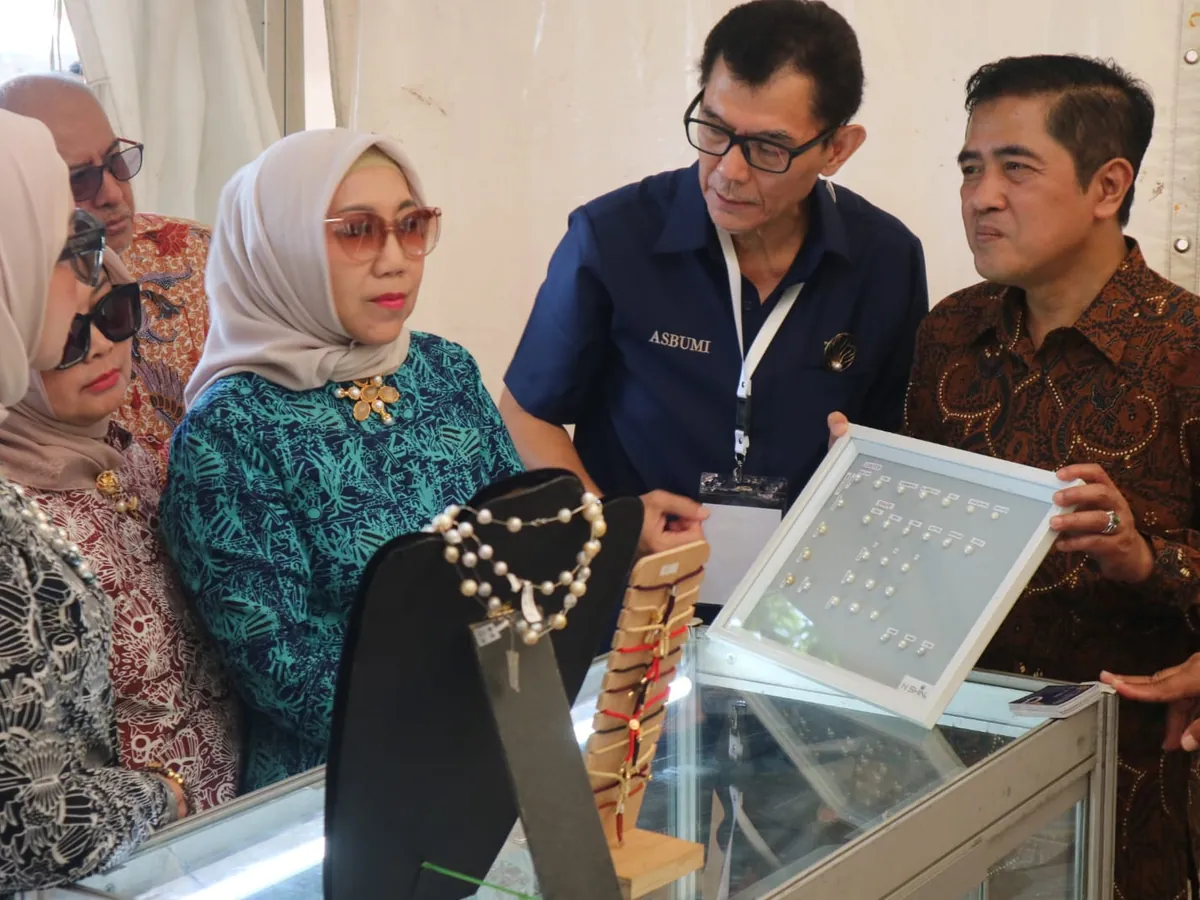
Under the Ministry of Marine Affairs and Fisheries
Formal recognition of the association, and support for promoting Indonesian pearls at home and abroad.
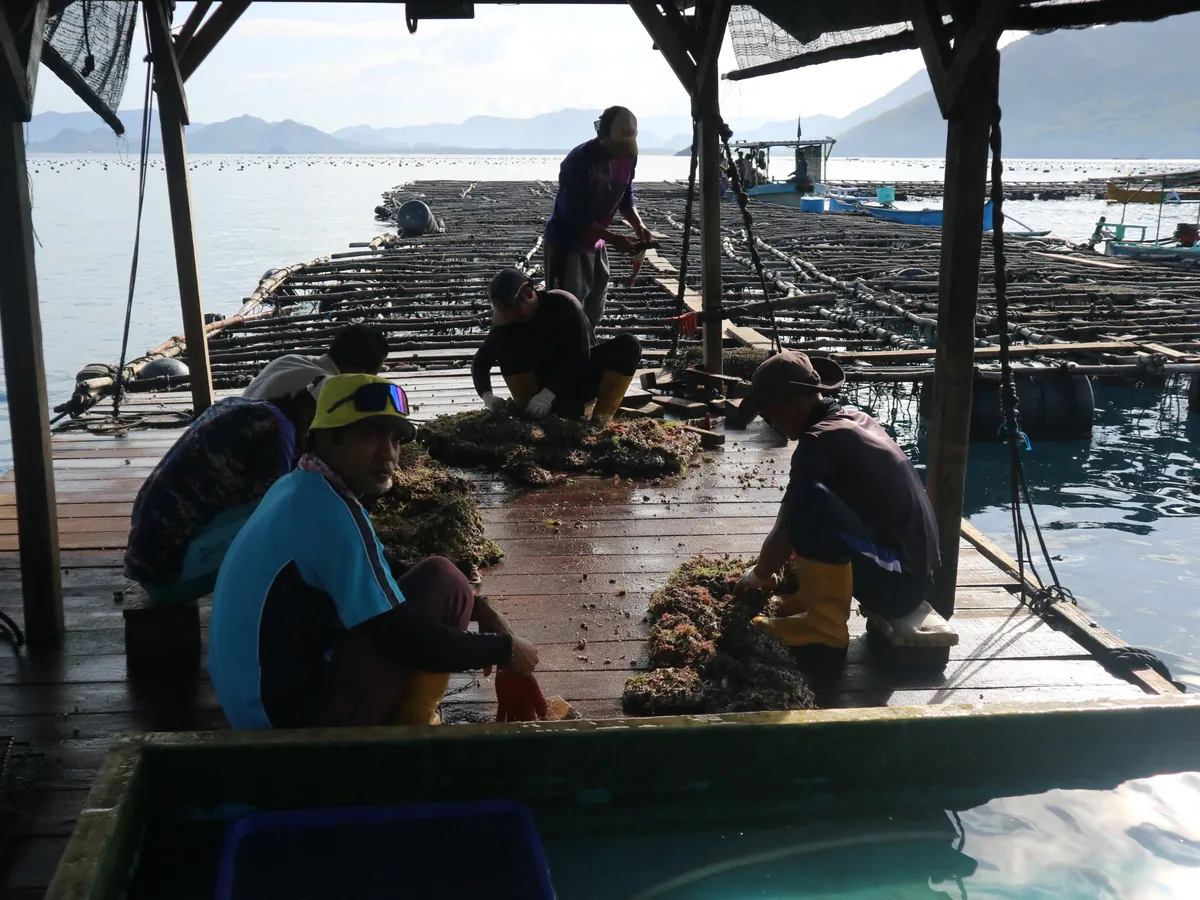
Carrying members’ aspirations and needs forward, and giving them a forum where issues are resolved.
Running pearl oyster cultivation professionally, from hatchery through harvest and grading.
Education, empowerment and CSR
Not only knowing the South Sea pearl and telling it apart from freshwater pearls. Pearl farming also empowers the communities around each farm: it employs local people, develops skilled workers who turn the pearl oyster into derivative products, and runs CSR programmes.
Collaboration on research and the development of knowledge
Research on hatchery technique, broodstock improvement and disease management, and drawing younger people into marine cultivation.
South Sea Pearl farms run from Sumatra to Papua, following the water that is still clean. The order is west to east, the way a strand is threaded along the equator.
The most productive South Sea Pearl waters in the country. Lombok is known as the Pearl Island.
Cultivation sites recorded by ASBUMI, 2023 · ordered west to east
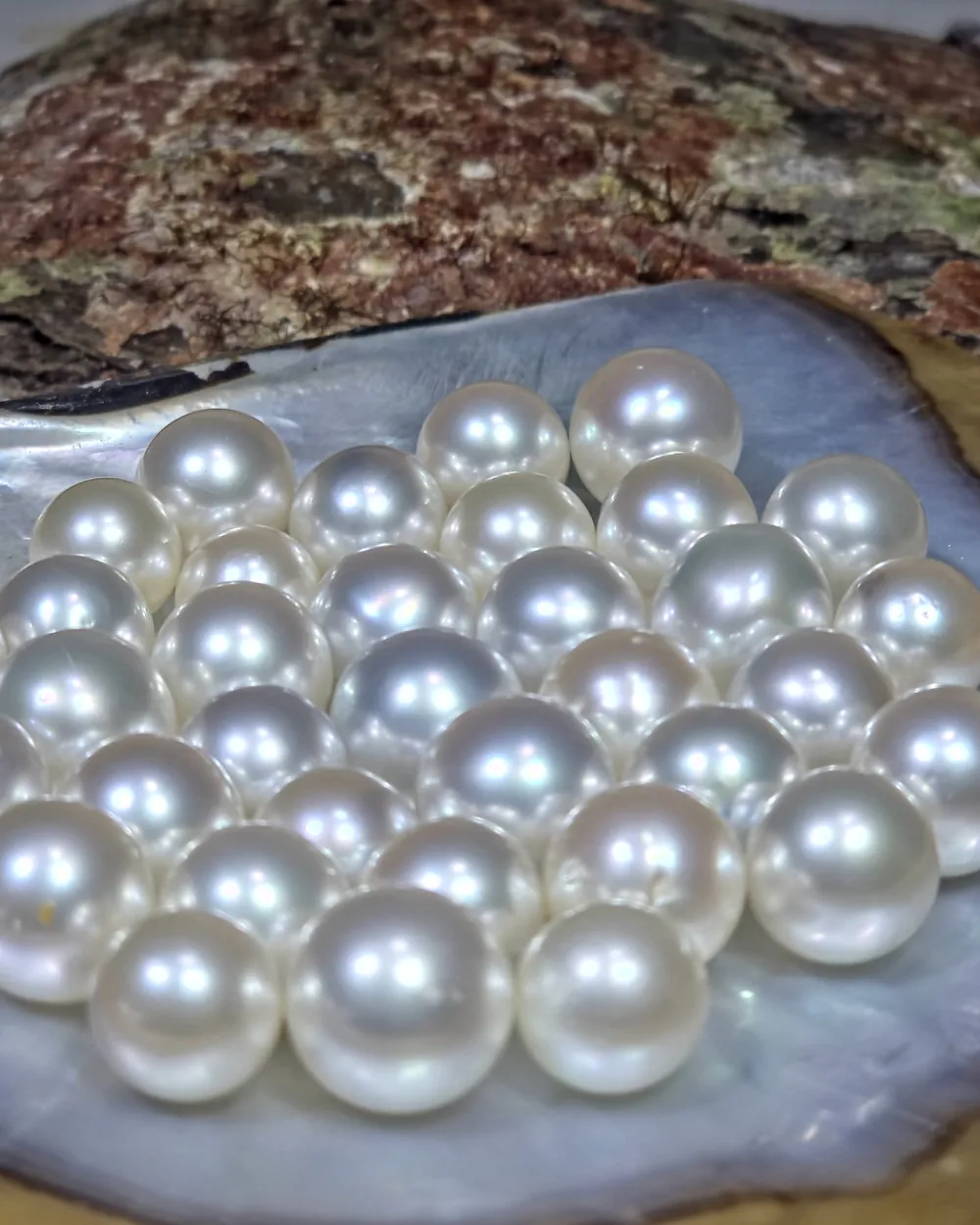
Indonesia South Sea Pearl (ISSP) is the quality designation for pearls grown in Indonesian waters. Every pearl is judged against the same six parameters, so buyers and the trade can read its grade rather than guess it.
The deep return of light that ordered nacre produces
Typically 9–12 mm and can be larger, the size South Sea Pearls are known for
From perfect round to baroque, valued precisely for being singular
White, silver, to the natural gold of gold-lipped oysters
How clean the surface reads of spots, marks, and pits
The layer that sets both durability and the depth of the luster
Pearls meeting the ISSP criteria carry the IQPL, the official certification marking a pearl as a genuine Indonesian South Sea Pearl of the highest grade. The label is not a marketing device but an assurance that the value a buyer pays for is actually in the pearl.
Necklaces, earrings, brooches and mother-of-pearl craft from Indonesia's South Sea pearls: worn formally or every day, set with gold and gemstones, and made by Indonesian craftspeople.
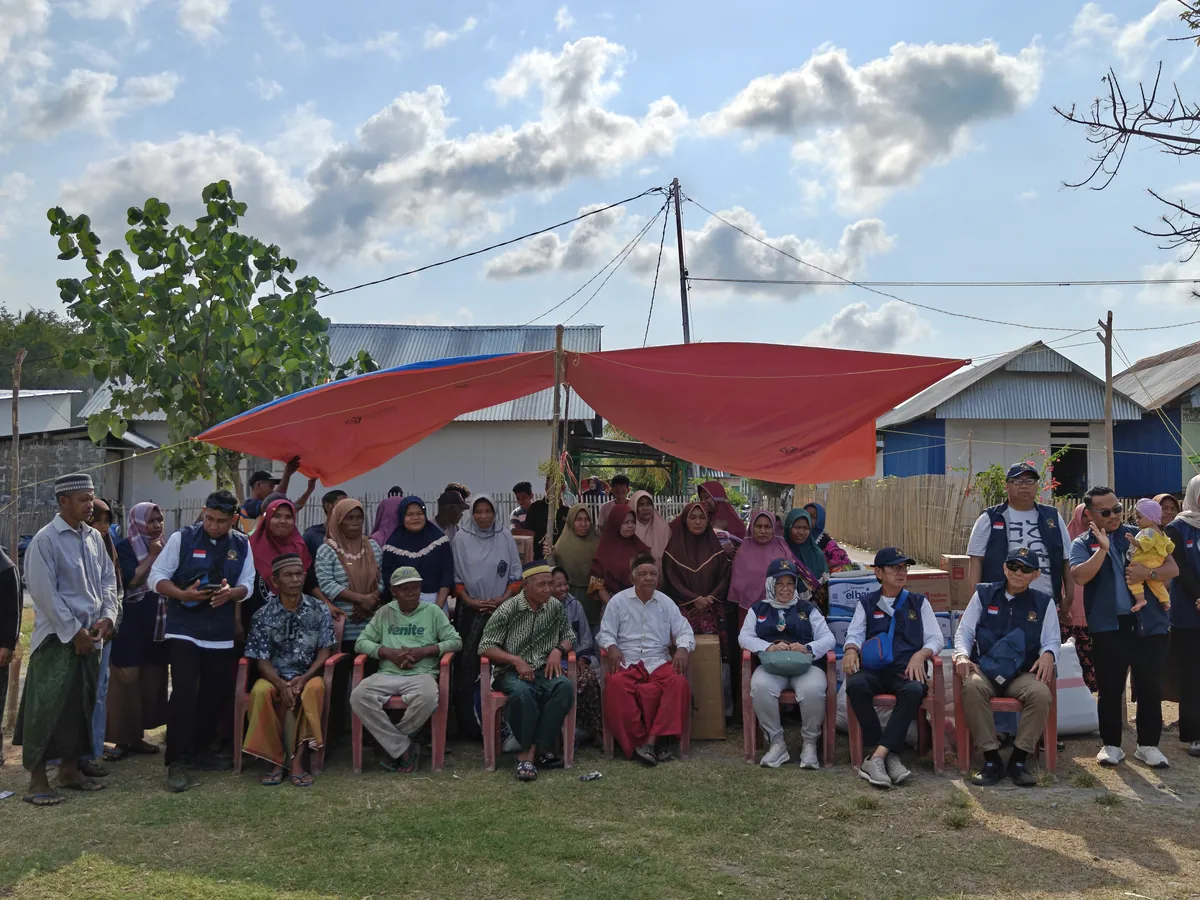
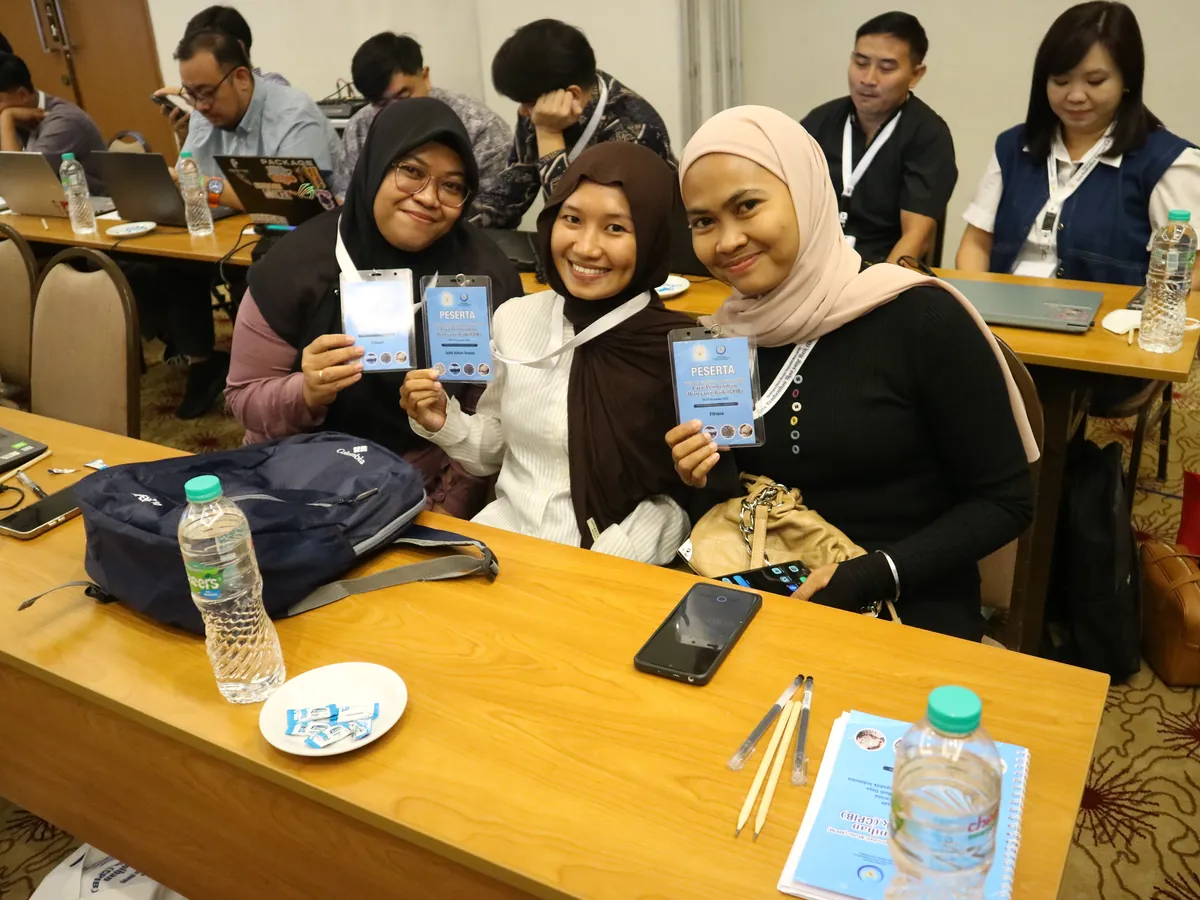
From earthquake relief to technical training and exhibitions: some of the association's work in recent years.
From crystal waters to pearl masterpieces.
We welcome questions, feedback and offers to collaborate from members, businesses, government, research institutes, the media and the public.